Source truck topper for cargo protection, UV shielding, and vehicle storage
Compare 30 truck topper options featuring aluminum or steel construction with waterproof and UV protection. Buyers can evaluate customization, mounting types, and load bearing capacities from verified Chinese suppliers.
Key considerations
Products List


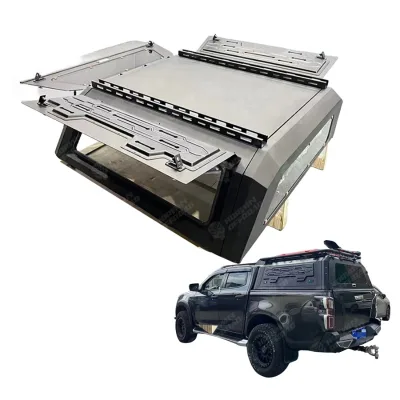
Aluminum Canopy Cover Hardtop Topper Camper Cover Truck Canopy for Dmax 2021+
$590.00 - $788.00
Moq: 2


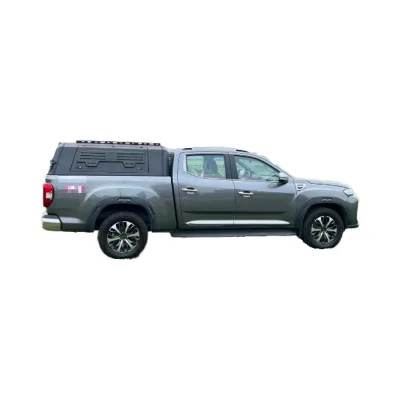
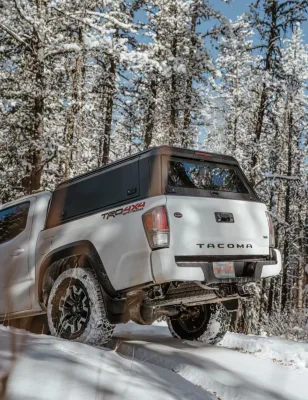


Comprehensive Sourcing Guide
Strategic Sourcing Guide for Truck Topper Acquisition
Understanding Product Variants and Core Technical Specifications
When initiating a procurement strategy for truck toppers, also known as truck canopies or hard covers, buyers must first navigate a landscape of diverse technical configurations. The observed market data indicates a significant divergence in material composition and structural design. While some listings explicitly identify the primary construction material as Aluminum Alloy or Thickened Aluminum Alloy, others specify Steel or generic Aluminium. This variation is critical because the material choice directly dictates the vehicle's payload capacity, corrosion resistance, and overall durability. Aluminum variants are generally preferred for their lightweight properties, which help preserve fuel efficiency, whereas steel options may offer superior impact resistance in specific industrial environments.
The structural design of the canopy also varies significantly across suppliers. The data reveals a prevalence of Single Deck configurations, which provide a streamlined profile suitable for most commercial and utility applications. However, the Opening mechanism is another pivotal specification; some units are designed with a Dual Side opening capability, offering enhanced access to the cargo area from multiple angles. In contrast, other models feature a Hinged operation, which may be simpler to install but offers less flexibility in loading. The Cover Type is predominantly listed as Hard Type, distinguishing these units from soft canvas alternatives. This hard shell construction is essential for providing the advertised Waterproof and UV Protection functions, ensuring cargo remains secure against the elements.
Furthermore, the Mounting Type is a crucial technical consideration. The observed Simple Type mounting suggests a design that prioritizes ease of installation and removal, potentially reducing labor costs during the fitting process. However, buyers must verify if this simplicity compromises the structural rigidity required for heavy loads. The Load Bearing capacity is another area where specific claims vary; one data point cites a capacity of 500kg, a figure that requires rigorous verification against the specific vehicle's roof load limits and the actual structural integrity of the mounting system. The Size is frequently listed as Customized According to Vehicle Model, indicating that a "one-size-fits-all" approach is rarely viable. Buyers must ensure that the supplier can accommodate specific dimensions, as the Single package size observed in the market can be substantial, reaching dimensions like 195x140x22 cm, which impacts logistics planning.
Compliance, Certification, and Safety Standards
In the B2B procurement of automotive accessories, compliance with international safety and environmental standards is non-negotiable. The market data presents a mix of certifications, including ISO, RoHS, CE, TUV, and GS. These certifications serve as third-party validations of the product's adherence to specific quality and safety benchmarks. For instance, ISO certification generally indicates a robust quality management system, while RoHS compliance ensures the product does not contain restricted hazardous substances, which is vital for environmental regulations in many jurisdictions. CE marking is a mandatory conformity mark for products sold within the European Economic Area, signifying that the manufacturer has declared the product meets EU safety, health, and environmental requirements.
However, buyers must exercise caution when interpreting these certifications. The presence of TUV and GS marks suggests a focus on German and international safety standards, which are often considered rigorous. Yet, the data also lists prod_standard as "customized" or "1800," which implies that some manufacturers may not adhere to a single, universally recognized standard but rather tailor their production to specific client requests. This variability necessitates a deep dive into the supplier's documentation. Buyers should not assume that a product bearing a certification label automatically meets the specific regulatory requirements of their local market. Instead, they must request valid, up-to-date certification documents that correspond to the specific batch or model being purchased.
Additionally, the Quality Control process is a critical component of compliance. The observed claim of 100% Inspected suggests a high level of internal scrutiny, but this should be corroborated with the supplier's quality assurance protocols. Buyers should inquire about the specific parameters of this inspection, such as whether it covers structural integrity, finish quality, or functional testing like the Waterproof and Shockproof capabilities. The Function attributes listed, such as Protection & Decoration & Lighting, also imply that the product may integrate electrical components. If lighting is included, the electrical systems must comply with relevant automotive electrical standards to prevent fire hazards or electrical failures.
Cost Drivers and Pricing Dynamics
The pricing structure for truck toppers is influenced by a complex interplay of factors, including material costs, customization levels, and logistical requirements. The observed price range in the market spans from 17.53 USD to 1200 USD, a variance that reflects the difference between basic, generic models and highly customized, premium units. The lower end of the spectrum likely corresponds to standard Steel or basic Aluminum models with minimal customization, while the higher end encompasses Thickened Aluminum Alloy units with specialized features like integrated lighting, dual-side openings, or specific vehicle fitments.
Material composition is a primary cost driver. Aluminum Alloy is generally more expensive than Steel due to the raw material costs and the more complex manufacturing processes required to shape and finish aluminum. The mention of Thickened Aluminum Alloy suggests a premium tier where increased material thickness adds to the cost but also enhances durability. Customization is another significant factor. Products listed with Customized According to Vehicle Model or Customizable standards will inevitably carry a higher price tag than universal fitment options. The MOQ (Minimum Order Quantity) also plays a role in the unit cost; while some suppliers offer an MOQ of 1 Set, others require 5 Sets or more. Higher MOQs often allow for economies of scale, potentially lowering the per-unit cost for bulk buyers.
Logistics and packaging also contribute to the final landed cost. The data indicates various packaging methods, including Paper Carton, Wooden Case, Carton Box, and Pallet. Wooden Cases and Pallets are more expensive and heavier than standard cartons, which increases shipping costs, particularly for air freight. The Single gross weight of 25.000 kg for a single package highlights the heavy nature of these products, making sea freight a more economical choice for international buyers. Furthermore, the Supply Ability of 1500 Piece/Pieces Per Mon suggests that larger suppliers may offer more competitive pricing due to their production volume, whereas smaller suppliers might charge a premium for their limited capacity.
Typical Applications and Fitment Requirements
Truck toppers serve a wide array of applications, ranging from commercial logistics to recreational use. The Car Fitment data reveals a mix of Universal compatibility and specific model targeting, such as ISUZU (JIANGXI). This distinction is vital for buyers who operate fleets with specific vehicle models. Universal fitment toppers offer flexibility and are suitable for mixed fleets, but they may require additional adapters or modifications to ensure a secure fit. In contrast, model-specific toppers, like those for ISUZU, promise an Excellent Fitment and may integrate more seamlessly with the vehicle's existing structure, potentially offering better aerodynamics and security.
The Function of the topper extends beyond simple cargo protection. The Waterproof and UV Protection features are essential for protecting sensitive equipment, tools, and goods from weather damage. The Protection & Decoration & Lighting function suggests that some toppers are designed to enhance the aesthetic appeal of the vehicle while providing utility. This is particularly relevant for commercial fleets where branding and vehicle appearance are part of the corporate image. The Operation type, such as Hinged or Dual Side, also influences the application. For example, a Hinged canopy might be preferred for quick access in urban delivery scenarios, while a Dual Side opening might be better for loading bulky items in a warehouse setting.
The Load Bearing capacity of 500kg indicates that these toppers are designed for heavy-duty applications. This makes them suitable for transporting construction materials, heavy machinery, or large quantities of goods. However, buyers must ensure that the vehicle's roof can support this load in conjunction with the topper's weight. The Type of product, whether classified as a Case or a Canopy, also dictates its use. A Case might be a standalone storage unit, while a Canopy is integrated into the truck bed. Understanding these nuances helps buyers select the right product for their specific operational needs.
Supplier Evaluation and Quality Assurance Protocols
Evaluating suppliers for truck toppers requires a systematic approach to verify their capabilities and reliability. The prod_origin is listed as China, which is a major manufacturing hub for automotive accessories. Buyers should verify the supplier's location and production capacity to ensure they can meet demand. The Supply Ability of 1500 Piece/Pieces Per Mon is a key metric to assess whether the supplier can handle large orders without delays. Buyers should also check the Quality Control processes, specifically the claim of 100% Inspected. This should be validated through on-site audits or third-party inspection reports to ensure consistency.
The Certification status is another critical evaluation point. Buyers should request copies of ISO, RoHS, CE, TUV, and GS certificates and verify their validity with the issuing bodies. The presence of multiple certifications suggests a commitment to quality, but the scope of these certifications must be confirmed. For instance, does the CE mark cover the specific model being purchased, or is it a general company certification? The Standard of the product, whether customized or a specific number like 1800, should be clearly defined in the contract to avoid ambiguity.
Furthermore, the Packing and Shipping capabilities of the supplier are important. The use of Wooden Case or Pallet packaging indicates a concern for product safety during transit, which is crucial for heavy items like truck toppers. Buyers should inquire about the supplier's experience with international shipping and their ability to handle customs documentation. The MOQ of 5 Sets or 1 Set should be aligned with the buyer's inventory strategy. A supplier with a low MOQ might be more flexible for trial orders, while one with a higher MOQ might offer better pricing for bulk purchases.
Long-Term Procurement and Maintenance Considerations
Sourcing truck toppers is not just a one-time transaction but a long-term commitment that involves maintenance, warranty, and supply chain stability. The Material choice, whether Aluminum Alloy or Steel, will influence the long-term durability and maintenance requirements. Aluminum generally requires less maintenance regarding rust, while steel may need regular painting or coating to prevent corrosion. The Function attributes like Waterproof and Shockproof should be maintained over time, and buyers should inquire about the availability of replacement parts or repair services.
The Customization aspect also has long-term implications. If a buyer opts for a Customized According to Vehicle Model topper, they must ensure that the supplier can continue to provide support and parts for the specific model, especially if the vehicle is phased out or replaced. The Quality claim of High-Quality should be backed by a robust warranty policy. Buyers should negotiate terms that cover defects in materials and workmanship for a reasonable period.
Finally, the Supply Chain stability is crucial. The Supply Ability of 1500 Piece/Pieces Per Mon suggests a steady production line, but buyers should have contingency plans in case of disruptions. Diversifying suppliers or maintaining a safety stock can mitigate risks. The Packing method, such as Standard Cotton Package or Paper Carton, should be evaluated for its ability to protect the product during storage and transport over the long term. By considering these factors, buyers can ensure a sustainable and reliable procurement process for truck toppers.
FAQs
What materials are used for truck toppers?
Truck toppers are primarily constructed from Aluminum Alloy, Thickened Aluminum Alloy, or Steel. Buyers must verify the specific material for each listing as options vary between lightweight aluminum for fuel efficiency and durable steel for impact resistance.
Can truck toppers be customized for specific vehicles?
Yes, customization is available with sizes often customized according to the vehicle model. While some fitments are universal, others are designed specifically for models like ISUZU to ensure excellent fitment and structural integrity.
What certifications do truck topper manufacturers hold?
Manufacturers commonly hold ISO, RoHS, CE, TUV, and GS certifications. Buyers should request valid documentation for these standards to ensure compliance with international safety and environmental regulations before placing an order.
How much load can a truck topper support?
Some listed models support a load bearing capacity of up to 500kg. This figure requires verification against the specific vehicle's roof limits and the actual structural integrity of the mounting system before use.
What is the minimum order quantity for truck toppers?
The minimum order quantity ranges from 1 set to 5 sets depending on the supplier. Bulk buyers may benefit from lower per-unit costs, while smaller orders are available from vendors with lower MOQ requirements.
How are truck toppers packaged for shipping?
Packaging options include Paper Carton, Wooden Case, Carton Box, and Pallet. Heavy items often use Wooden Cases or Pallets to ensure safety during transit, which impacts the overall shipping cost and logistics planning.